From Intern to Team Player: Marcus Tan’s Journey at ST Engineering
Marcus Tan (Diploma in Cybersecurity & Digital Forensics, Class of 2026) reflects on how his one-year internship at ST Engineering gave him real-world exposure and perspectives he could never have gained in the classroom alone.
When I first started my internship, I expected my role to be mostly learning-focused. Instead, I was treated as a full-time team member and quickly became a dependable team player. I was trusted to take ownership of key deliverables, drive progress across workstreams, and keep stakeholders aligned through clear updates.
For example, there were periods when the team was away on course and I still had to push the reporting work forward independently, consolidate inputs from different parties, and turn changes around promptly based on customer feedback. I would consult my supervisor mainly to verify key decisions, rather than rely on step-by-step guidance. This responsibility pushed me to mature quickly and operate with a consultant’s level of discipline and accountability.
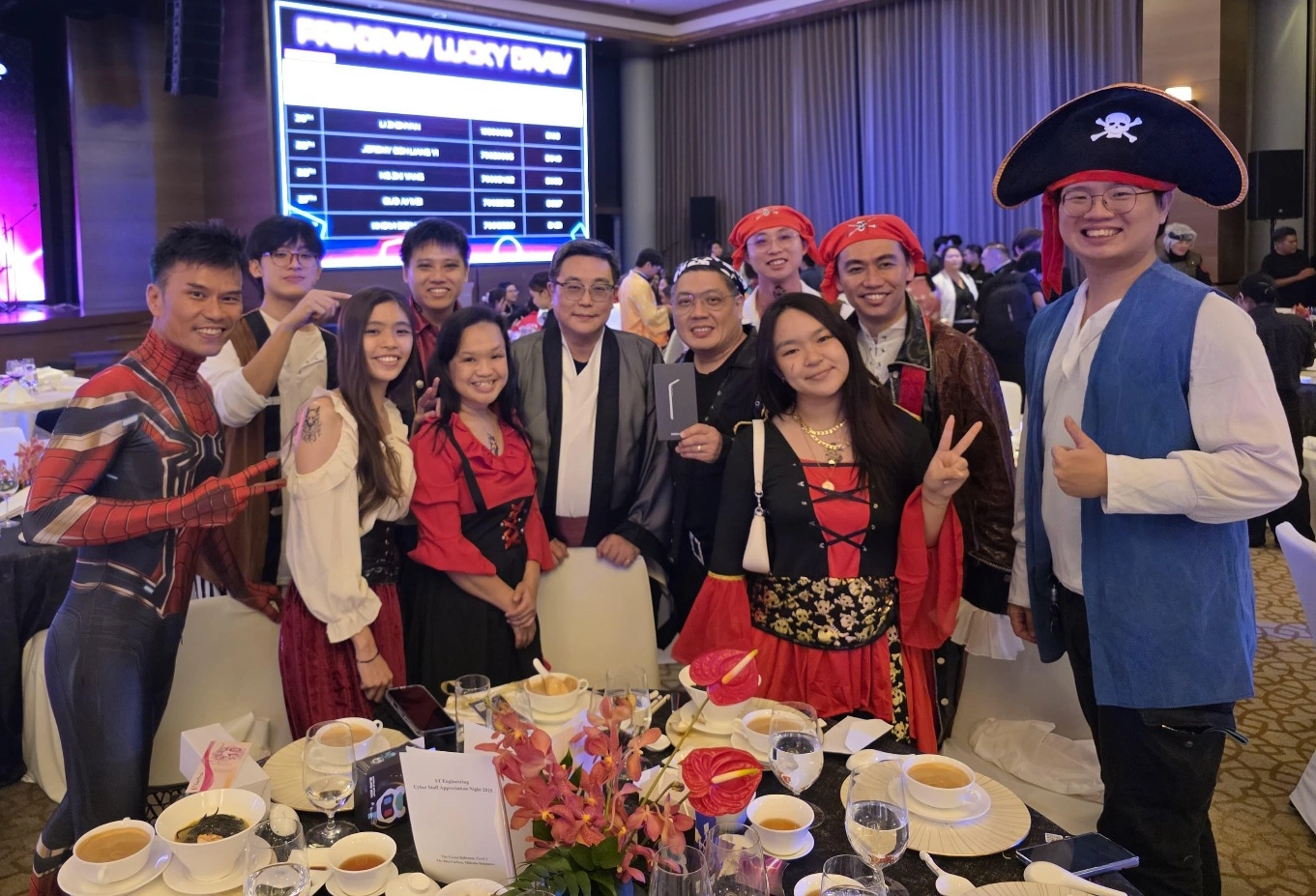
Marcus (3rd from right, back row) with his division during ST Engineering’s Staff Appreciation Night.
A defining experience was being the Vulnerability Assessment lead for a critical national-scale project. The technical work mattered, but what made the engagement challenging was the human side: planning around tight windows, aligning internal teams, and ensuring the customer understood what we were doing and why. I learned that in consulting, communication and expectation management are everything. The moment different parties walk away with different interpretations; small misunderstandings can quickly become big problems. Leading that workstream pushed me to be structured, clear, and proactive, especially when explaining findings and next steps in a way that was professional and defensible.
At the same time, I also handled a smaller engagement where I covered both Vulnerability Assessment (VA) and Host Configuration Review (HCR). This taught me that security assessments are not just about identifying gaps. They are about working with people who have operational constraints and learning how to document justifications properly when certain requirements cannot be met. It made me appreciate that good security work requires both technical accuracy and the ability to collaborate respectfully with deployment teams.
What made my internship unique was that I was truly a dual-hat intern. Beyond assessment work, I contributed to InnoChamp, an internal innovation challenge that encourages teams to sharpen ideas and articulate how they create value.
Approaching cybersecurity from a business perspective, I did market research, helped position the AI security solution, and worked closely with colleagues from the Group Technology Office to understand what our internal AI security product entails and how it approaches risk assessment for AI models. I learned that strong technology alone isn’t enough. You need to show why it matters and who it helps. Working with different teams also showed me how cross-functional collaboration can make both the ideas and the way you communicate them much stronger.
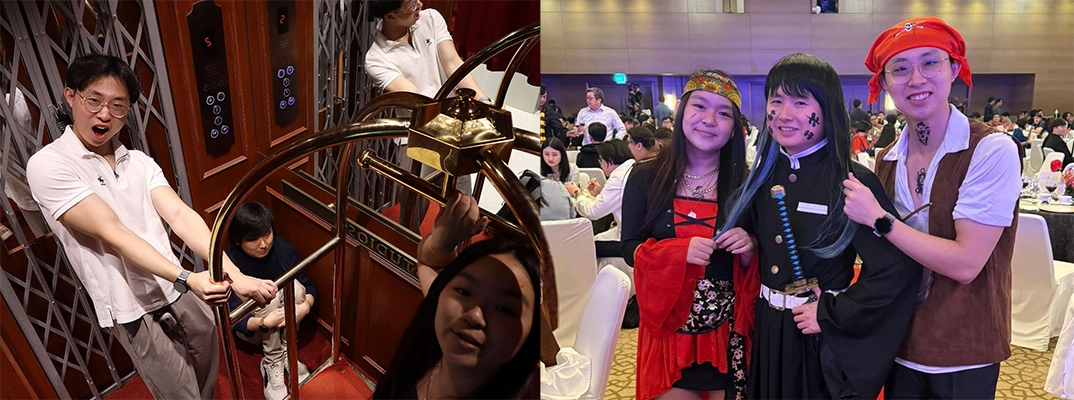
Marcus with his supervisor, Wenzhong and his mentor, Evelyna
I am especially grateful to my supervisor Wenzhong and my mentor Evelyna. They guided me not just in what to do, but in how to think like a consultant: stay calm under pressure, be accountable for deliverables, and communicate clearly even when timelines are tight. Over time, I started asking for the “macro” view, not just the micro task. Understanding the bigger picture helped me execute better and, when appropriate, suggest improvements to how we deliver work.
If I could give one piece of advice to juniors preparing for internship, it would be this: be excited, remember your dream, and embrace the challenge. Growth comes fast when you take responsibility, ask good questions, and stay open to learning both the technical and human side of the job.
More from School of Information Technology
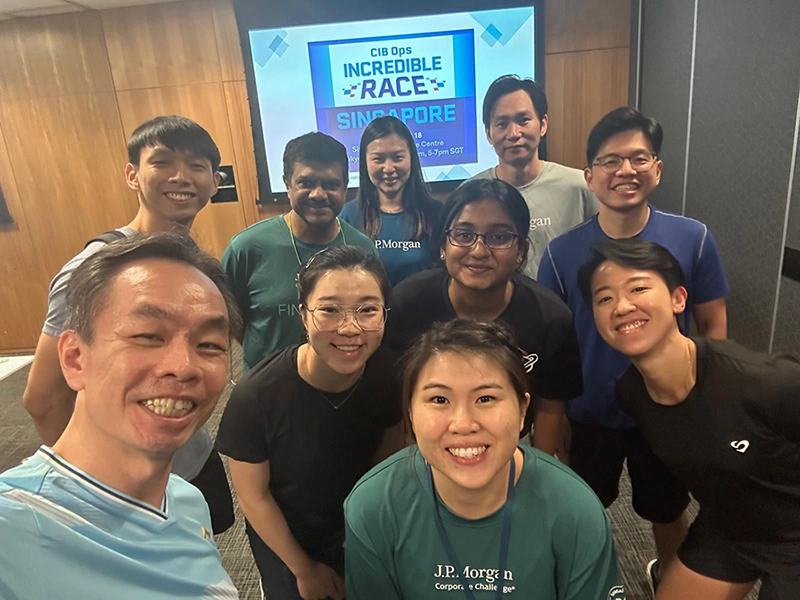
Beyond the Comfort Zone: An Internship with J.P. Morgan
Shrruti Madhusudhan (Diploma in Business & Financial Technology, Class of 2026) shares how she pushed through challenges and made the most of her time working with colleagues at a multinational company.
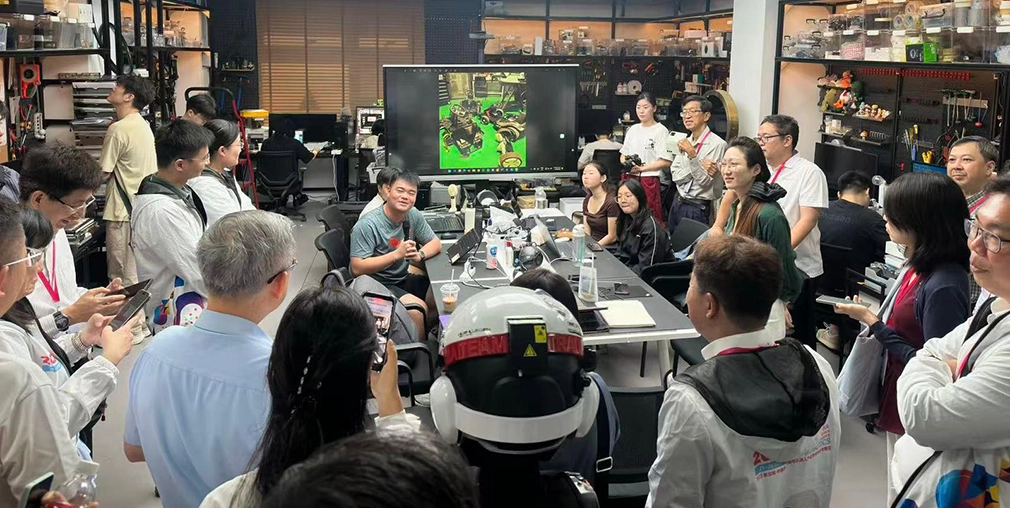
What My Overseas Internship in Information Technology at Shanghai Taught Me
In Shanghai, Joon Jun Han (Class of 2026) discovered a new classroom that reshaped his perspective on learning beyond Singapore.
Clara Ng: CSIT Scholarships Opened Doors
Clara Ng (Class of 2024) shared how she earned a distinction for your CSIT internship — the highest grade — and continued as a CSIT undergraduate scholar.